What a Construction Logistics Animation Shows That a Site Plan Cannot

A construction logistics plan is a two-dimensional drawing of a four-dimensional problem. It shows where the crane sits and where trucks enter, but it cannot show when those things change. A construction logistics animation adds the missing dimension, turning a static plan into a sequence that owners, neighbors, and subcontractors can follow without reading a legend.
Time Is the Missing Variable
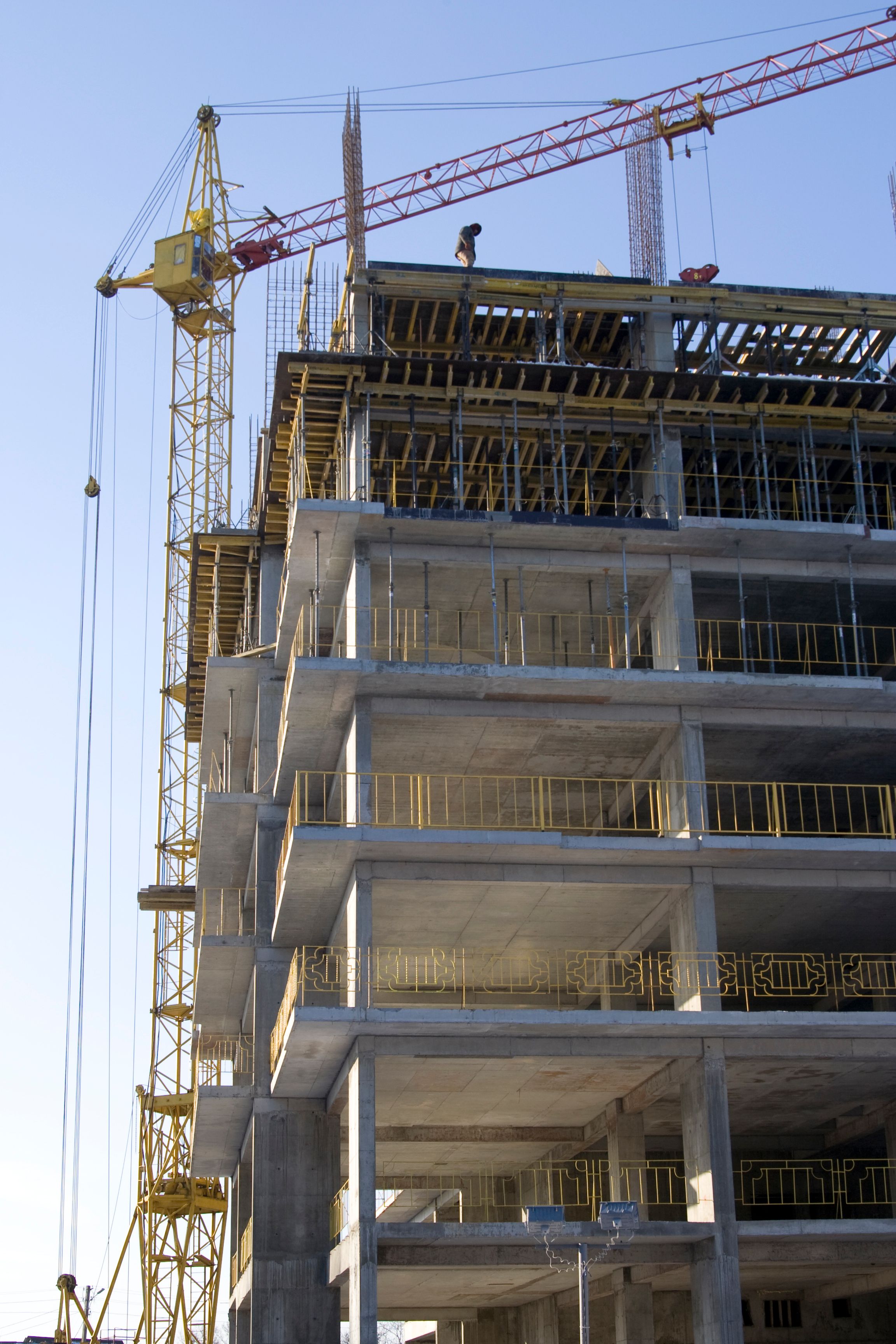
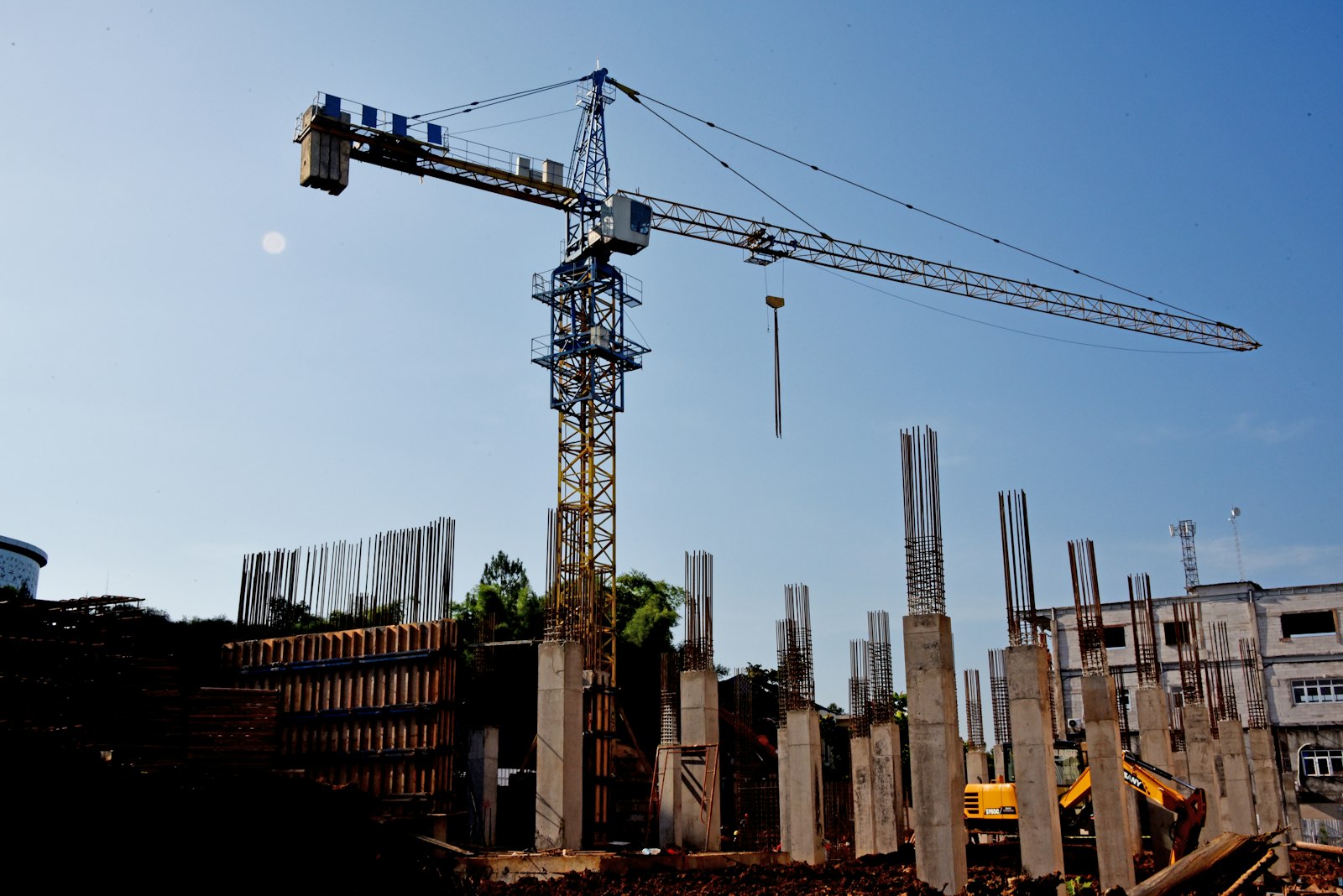
Site plans usually capture a single moment, often the busiest one. Real projects pass through excavation, foundations, structure, enclosure, and interiors, and each phase has different access needs. An animation walks through those phases in order. Viewers see the tower crane go up, the laydown area shift, and the hoist arrive, and they understand why a gate must close on a certain date.
Owners and Neighbors Need to See the Impact
Owners want assurance that the contractor understands the site. Neighbors and city officials want to know what the work will do to their streets. A short animation of truck routes, road closures, and pedestrian detours answers those questions faster than a memo. On dense urban sites, it often becomes the main exhibit in a community meeting or a permit discussion.
Trade Coordination Gets Easier
Subcontractors plan around the space they expect to have. When two trades assume the same laydown area for the same week, the conflict usually surfaces on site, where it costs money. An animation exposes overlaps during planning. Superintendents can pause the sequence, point to a crowded corner, and resolve it before anyone mobilizes.
Safety Planning Benefits From Visualization
Crane swing radii, hoisting zones, and pedestrian protection are easier to discuss when everyone can see them. A logistics animation can mark exclusion zones and show deliveries moving through the site on defined paths. Safety managers use it in orientation sessions to give new workers a clear picture of traffic patterns before they step onto the site.
Building the Animation From Real Data
The value of an animation depends on its accuracy. It should start from the same model and schedule the project team uses. Crane capacities, truck turning paths, and phase dates need to match the plan. If the animation shows something the team cannot actually build, it hurts credibility. Good practice is to review a draft with the superintendent and update it whenever the logistics plan changes.
Using It in Pursuits
Contractors also use logistics animations to win work. A shortlist presentation that includes a clear sequence of site operations tells the owner that the team has already thought through access, staging, and phasing. It turns a general claim of experience into specific evidence tied to the owner's own site.
Scope and Cost Considerations
Animations range from a thirty-second overview to a multi-phase walkthrough with traffic simulation. The right scope depends on the site and the audience. A suburban building with generous space may need only a short sequence. A downtown project with street closures and a shared crane lift warrants more detail. Agreeing on the phases, camera views, and length with the superintendent before production starts keeps cost predictable and avoids rework.
Keeping the Animation Current
Schedules shift, and an animation that no longer matches the plan can mislead more than it helps. Teams should treat it as a living document, with a small update when a crane date moves or a gate changes. A short revision cycle, tied to the monthly logistics review, keeps the visual accurate and gives the project team a reliable reference through the whole build.
The Bottom Line
A construction logistics animation turns a plan into a story about how the project will be built. It helps owners, neighbors, and crews understand sequence, space, and safety, and it exposes conflicts early. Teams that build one from accurate data tend to find it useful long after the pursuit is over.