What a Construction Logistics Animation Should Actually Show

A construction logistics animation is a moving picture of how a site will operate while the building is being built. Done well, it answers questions that static plans leave open: where trucks queue, how the crane swings, when a street closure begins, and how neighbors will experience the work. Done poorly, it is a pretty flyover that tells a client nothing about the plan. The format suits both pursuit and execution. In a pursuit, it shows an owner that the team has already walked the site in its head and has a plan for the hard parts. In preconstruction, it gives subcontractors and the city a shared picture to react to. A single well-built model can serve both uses if it is set up with real dimensions and a clear sequence from the start. Clear labeling of every vehicle, zone, and restriction keeps the animation understandable.
Show Phases, Not Just the Finished Site
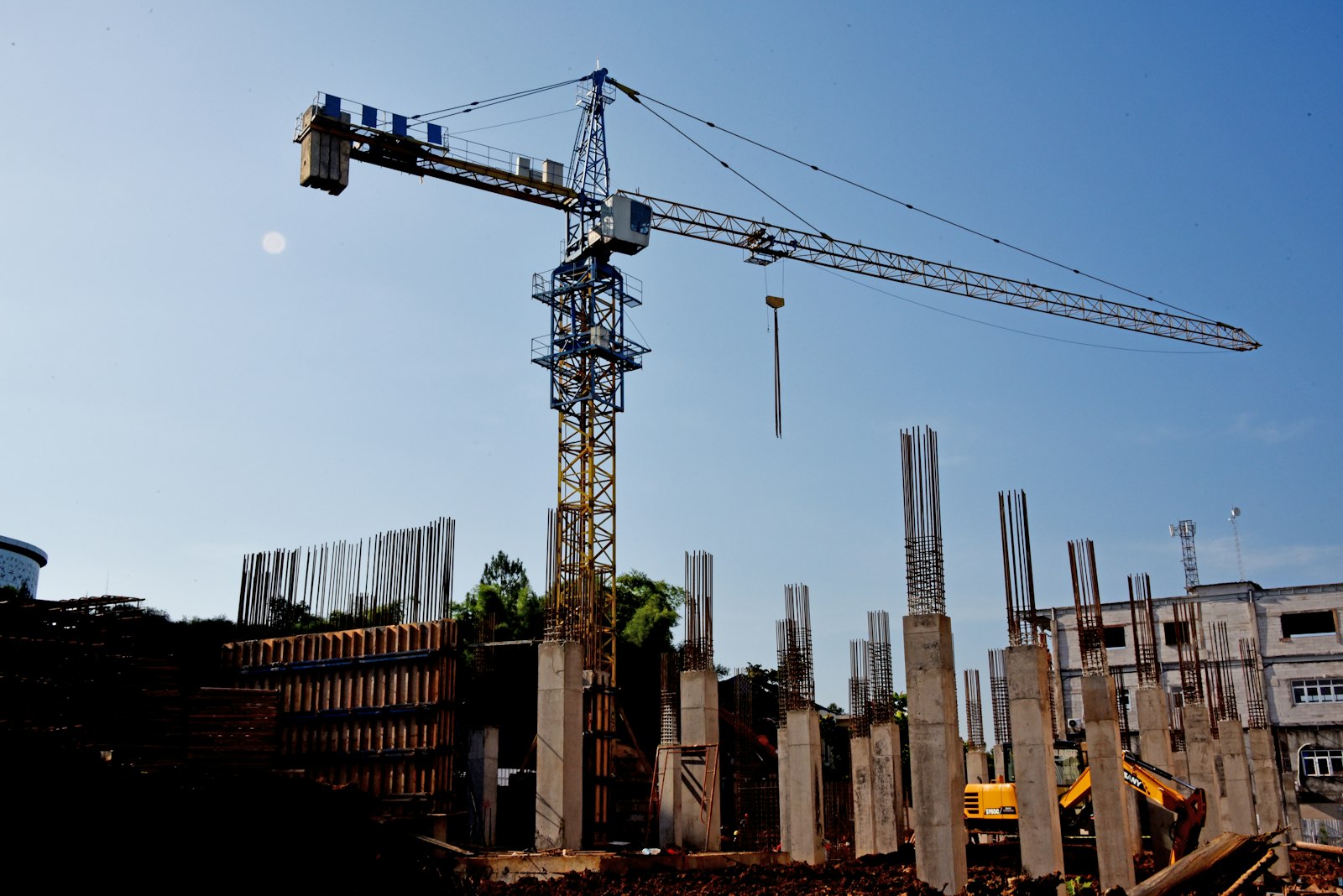
The most valuable animations follow the sequence of work. Excavation, foundations, structure, envelope, and interiors each use the site differently, and each has its own deliveries and laydown needs. Showing these phases in order helps owners and neighbors understand that the site will change over time. It also lets the team check whether an early arrangement blocks something needed later.
Put the Crane and the Hoist in Real Positions
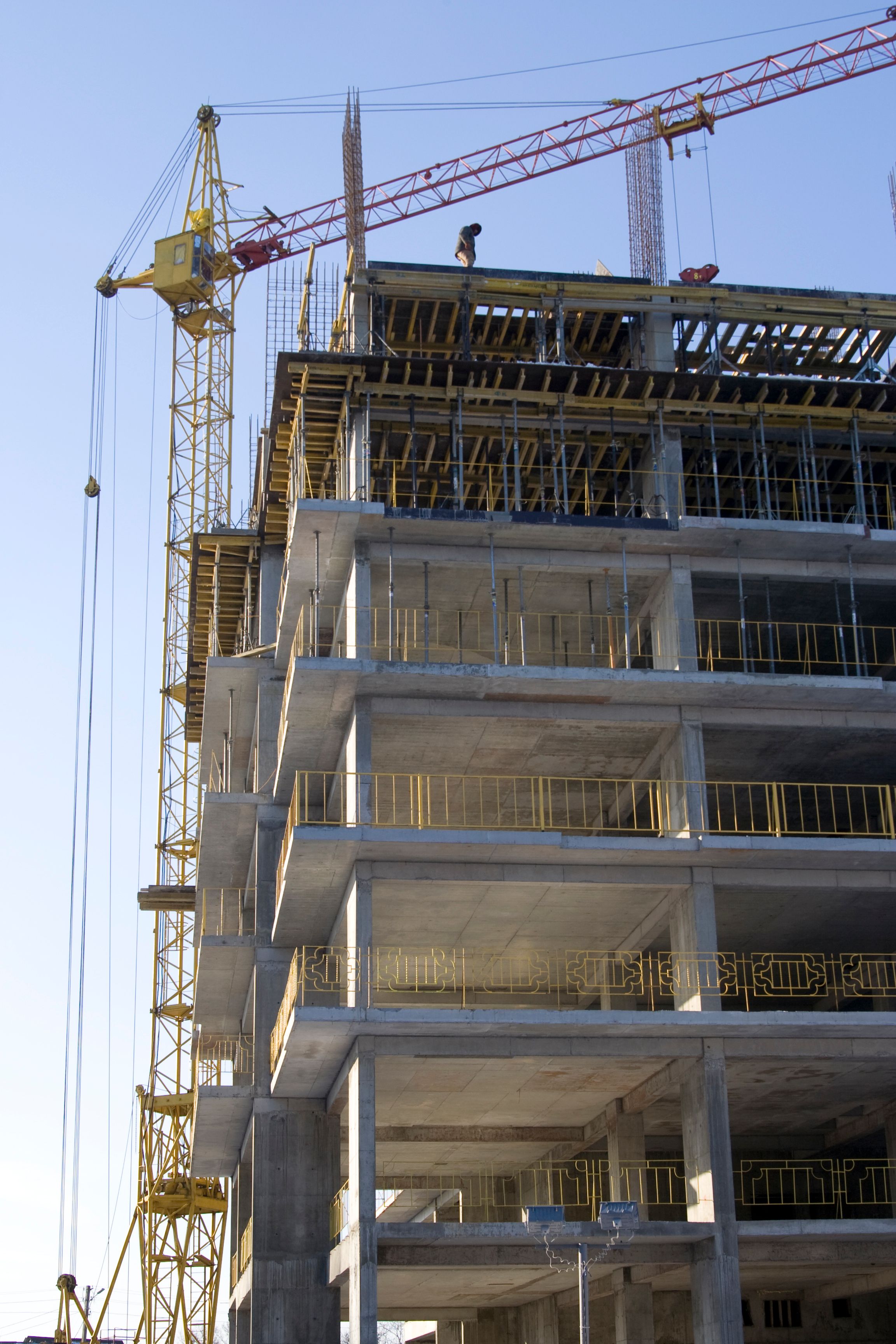
Cranes, hoists, and pumps drive many logistics decisions. An animation that places them accurately, with realistic swing radii and reach, can expose a conflict before it costs money. A tower crane that clips an adjacent structure's airspace or a hoist that blocks a delivery lane is far cheaper to find on a screen. Accuracy here depends on good input from the field team.
Make Traffic and Pedestrians Visible
On urban projects, the public side of logistics is often what wins or loses approval. Showing truck routes, flagger positions, sidewalk closures, and protected pedestrian paths gives permit reviewers and owners something concrete to evaluate. It also shows the contractor has thought about safety beyond the fence line. Labeling these elements clearly keeps viewers from guessing what they are seeing.
Keep the Length Under Control
A logistics animation is a working tool, so it should be short enough to be watched. Two to four minutes usually covers a typical project if the camera angles are chosen carefully. Long animations tend to repeat themselves. A concise version for interviews and a more detailed version for the project team often serve both audiences without padding either.
Treat It as a Living Document
Plans change once the superintendent studies the site. An animation built from a flexible model can be updated when a delivery route shifts or a crane moves. Teams that treat the first version as a baseline get more value than those who treat it as a finished product. Updating it after major decisions also keeps the pursuit and preconstruction stories consistent.
The Bottom Line
A good construction logistics animation is accurate, sequenced, and honest about the public impact of the work. It helps win projects by showing the owner a team that has planned the site, and it helps deliver them by exposing conflicts early. Judge any animation by what decisions it supports, not by how polished the rendering looks. Teams considering an animation should gather the basics before any modeling begins: site survey, planned crane type and location, phasing schedule, and known restrictions from the city or owner. The more accurate the inputs, the more useful the result. Asking the superintendent to review a rough draft before the final render is a small step that prevents the most common errors. Treat the animation as a planning aid first and a marketing piece second.