Using Logistics Animation to Align a Construction Team Before Mobilization

A logistics plan on a drawing set is a list of decisions that only the author fully understands. Crane locations, laydown areas, delivery routes, and phasing sequences all look reasonable on paper, but they interact in ways that are hard to see until trucks arrive. A logistics animation turns that plan into a moving sequence that the whole team can review, question, and agree on before mobilization.
Showing Sequence, Not Just Layout
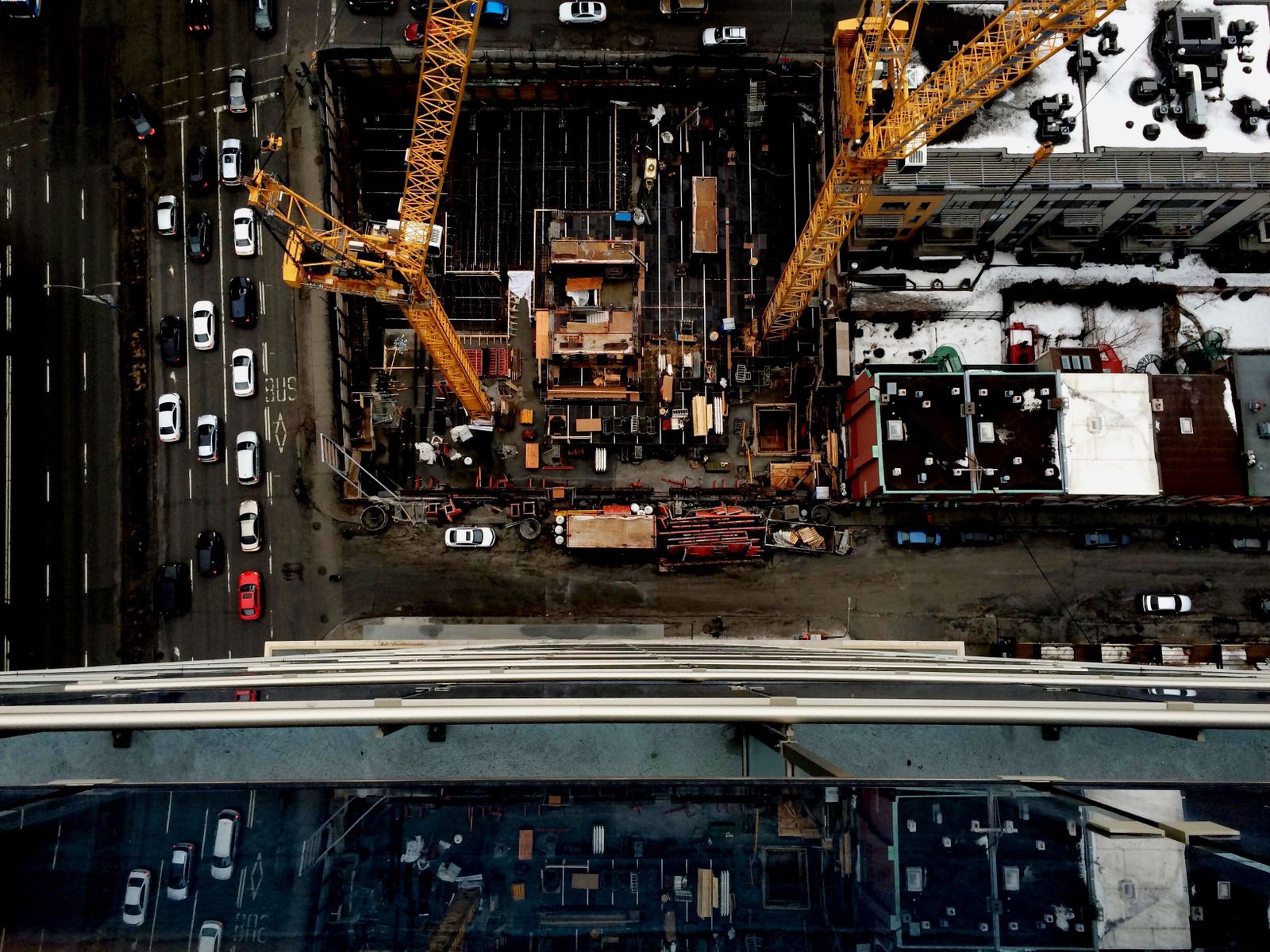
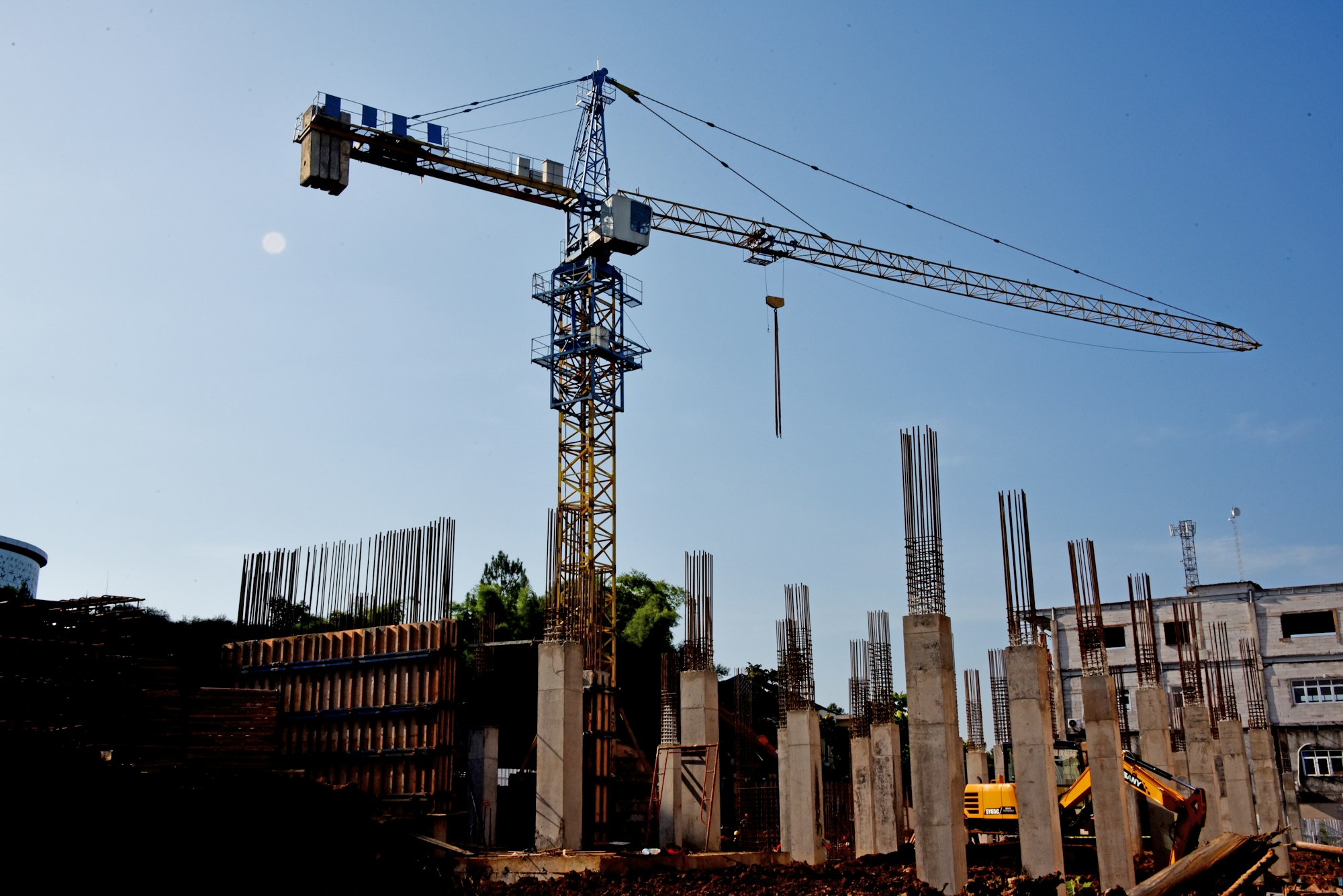
A static site plan shows where things go. An animation shows when. A tower crane can look well placed until the viewer sees that its swing path conflicts with a concrete pump position during the second pour. Watching the work play out week by week exposes timing clashes between trades, access conflicts on shared roads, and moments when two deliveries need the same gate. These problems are cheap to fix on screen and expensive to fix in the field.
A Shared Picture for Mixed Audiences
Superintendents read logistics plans fluently. Owners, neighbors, and city officials often do not. An animation gives every group the same reference. A school administrator can see how construction traffic avoids drop-off lanes. A city permit reviewer can see where street closures occur and for how long. When everyone is looking at the same sequence, meetings spend less time clarifying what the plan means and more time deciding whether it is right.
Supporting Pursuits and Proposals
Logistics are often a deciding factor on constrained urban sites, occupied campuses, and healthcare expansions. In a proposal or interview, an animation lets a contractor demonstrate that they have already worked through the hard parts. It communicates preparation in a way a paragraph of text cannot. Evaluators remember what they watched, and a clear animation of a difficult site often becomes the moment that separates two otherwise similar teams.
What Goes Into a Good One
The best animations are built from real project data. That means the site model, the schedule, crane and equipment specifications, delivery staging, and temporary works. The goal is accuracy first and polish second. Unnecessary effects distract from the logistics. Labels, a visible timeline, and a consistent camera path help viewers follow the sequence. A one to three minute length is usually enough to cover major phases without losing attention.
Keeping It Current
A logistics plan changes as the job progresses. Weather, procurement delays, and owner changes shift the sequence. Animations built from a modeled site can be updated to show revised phases, which makes them useful for weekly coordination and for communicating changes to stakeholders. Treating the animation as a living tool, rather than a one-time deliverable, increases its value over the life of the project.
Safety and Community Communication
Visualizing pedestrian routes, hoisting zones, and traffic control makes safety planning concrete. Workers can see exclusion zones before they step into them. Neighbors can see how the project will affect their street and when. Clear communication early reduces complaints and builds goodwill that matters when a project runs long.
Choosing What to Animate
Not every project needs a full animation. The strongest candidates are sites with limited access, adjacent occupied buildings, complex crane arrangements, or phased work that overlaps with ongoing operations. A short animation of the most difficult phase often communicates more than a long one covering routine work. Deciding early which sequences carry the greatest risk keeps the scope focused and the cost reasonable.
Using the Animation in Coordination Meetings
Once built, the animation can anchor weekly coordination. Project teams pause it at key dates, ask trade partners to confirm their access and deliveries, and record changes. This turns a pursuit asset into an operational tool, and it gives new team members a quick way to understand the site plan on their first day.
The Bottom Line
Logistics animation is a planning tool as much as a presentation tool. It surfaces conflicts early, gives mixed audiences a common understanding, and shows evaluators that a team has thought through the realities of the site. For projects where access, phasing, or community impact drive risk, it is a practical investment that pays back in fewer surprises during construction.