Construction Logistics Animation: Showing the Site Before the Site Exists

A logistics plan is usually a set of drawings, a schedule, and a few paragraphs explaining how deliveries, cranes, and trades will share a tight site. Those documents are accurate, but they ask the reader to assemble the story in their head. A construction logistics animation does that assembly for them, showing how the project moves from mobilization to turnover in a form an owner or neighbor can follow in two minutes.
What an Animation Can Show That a Plan Cannot For preconstruction groups, the details below are where the real gains tend to come from.
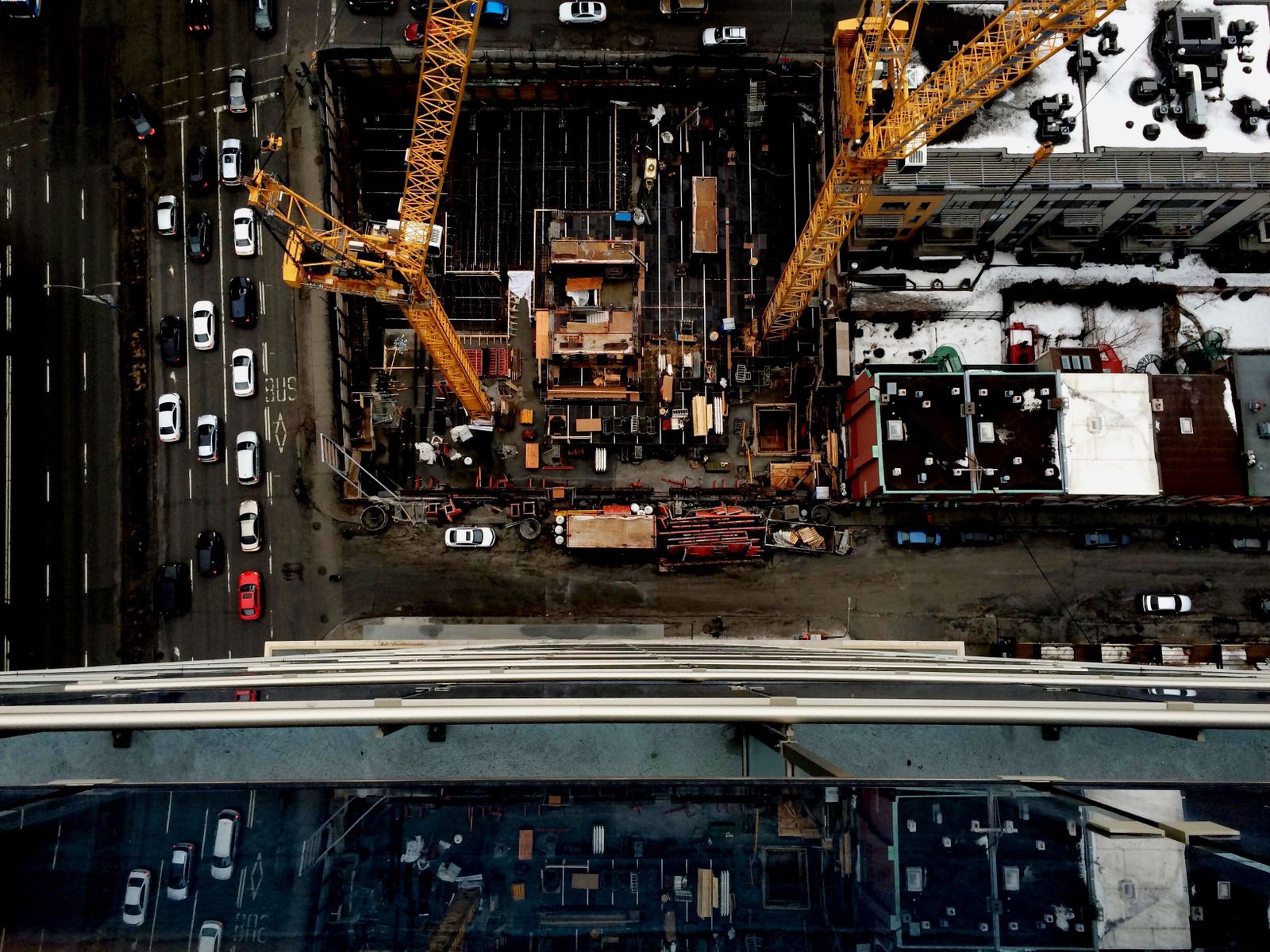
Static site logistics plans freeze one moment. An animation shows sequence. Viewers can see where the tower crane sits in phase one, when it is relocated, how haul routes change as the building rises, and when a street closure begins and ends. For a project on a dense urban lot, that sequence is often the most important part of the pursuit.
Answering the Questions Owners Actually Ask
Owners and community stakeholders tend to ask the same things. How many trucks will come through each day, where will workers park, and how long will the sidewalk be closed? A well built animation answers these on screen, with labeled routes and phase markers, so the preconstruction team can spend interview time on strategy instead of walking people through a plan sheet.
Building on Real Project Data
The animation is only as credible as the information behind it. Good work starts with the site plan, the phasing schedule, crane picks, and delivery windows from the preconstruction team. When the animation is built from the same numbers as the logistics plan, questions about it get consistent answers, and the visual does not promise anything the schedule cannot deliver.
Keeping Neighbors and Operations in View
Many projects sit next to hospitals, schools, transit, or occupied buildings. Showing how those neighbors are protected, such as pedestrian walkways, hoisting windows, and noise sensitive work hours, signals that the builder has thought about the surroundings. That reassurance matters to selection committees and to the community members who attend public meetings.
Using the Animation Beyond the Interview
An animation built for a pursuit has a second life. Project managers can use it for the owner kickoff, the subcontractor orientation, and the safety briefing. Crews who see the site plan in motion tend to ask better questions early, which surfaces conflicts while they are still cheap to resolve.
Keeping It Short and Focused
The most effective logistics animations are short. A few minutes covering major phases, key equipment, and traffic flow will hold attention in an interview room. Extra detail can live in a supporting document. The animation should make one argument clearly: this team has a workable plan for this site.
Plan the Production Around the Decision
Before any modeling begins, decide what decision the animation must support. An animation for a shortlist interview needs a different level of detail than one for a neighborhood meeting or a subcontractor kickoff. Settling that early keeps the scope contained and keeps the schedule realistic, since a pursuit animation often has only a few weeks to finish. The preconstruction team should provide the site plan, phasing, and equipment list up front, review a rough animatic before final rendering, and sign off on the narration or captions. Reviewing at the animatic stage is much cheaper than changing a finished render, and it lets estimators and superintendents catch sequencing errors the animator could not have known about.
The Bottom Line
A construction logistics animation turns a technical plan into something a decision maker can see and trust. It supports the team's narrative, answers recurring stakeholder questions, and continues to be useful after the award. For complex sites, it is one of the clearest ways to show that the plan is ready before the first truck arrives.