Choosing Camera Angles for a Construction Logistics Animation

A construction logistics animation is only as useful as the viewpoints it uses. The same crane swing, delivery route, and laydown plan can look confusing from one angle and obvious from another. Teams that commission animations often focus on the model and the schedule data and leave camera decisions to the last stage. Treating the camera as part of the plan produces animations that owners and superintendents can actually read.
Start With the Question the Viewer Is Asking
Each shot should answer a specific question. The viewer may want to know where trucks enter and leave, how far the crane reaches, or what happens to the sidewalk during the foundation phase. List these questions before any camera work begins, and assign each one a shot. If a shot does not answer a question on the list, it is a candidate for cutting. This keeps the animation short and prevents the common problem of long, slow flyovers that show the site without explaining anything.
Use an Overhead View for Sequence and Flow
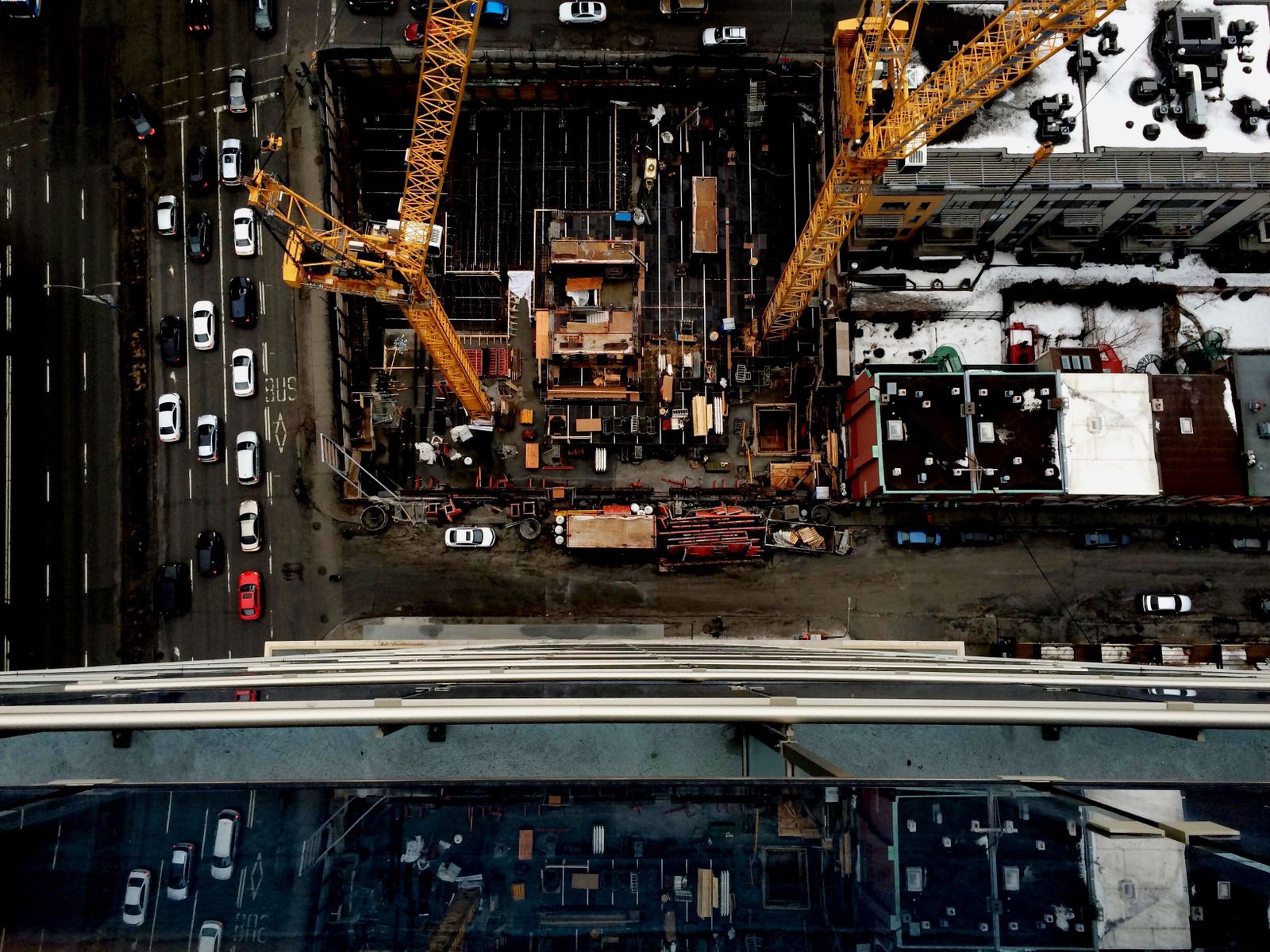
A high oblique or top-down angle is the right choice for showing how work moves across the site over time. It makes phasing, fencing changes, and haul routes easy to follow, and it keeps crane radii and swing zones visible. The tradeoff is that scale gets lost. A viewer cannot judge how close a boom passes to an adjacent building from a plan view, so pair the overhead shots with ground-level ones where distance matters.
Use Ground-Level Views for Conflict and Safety
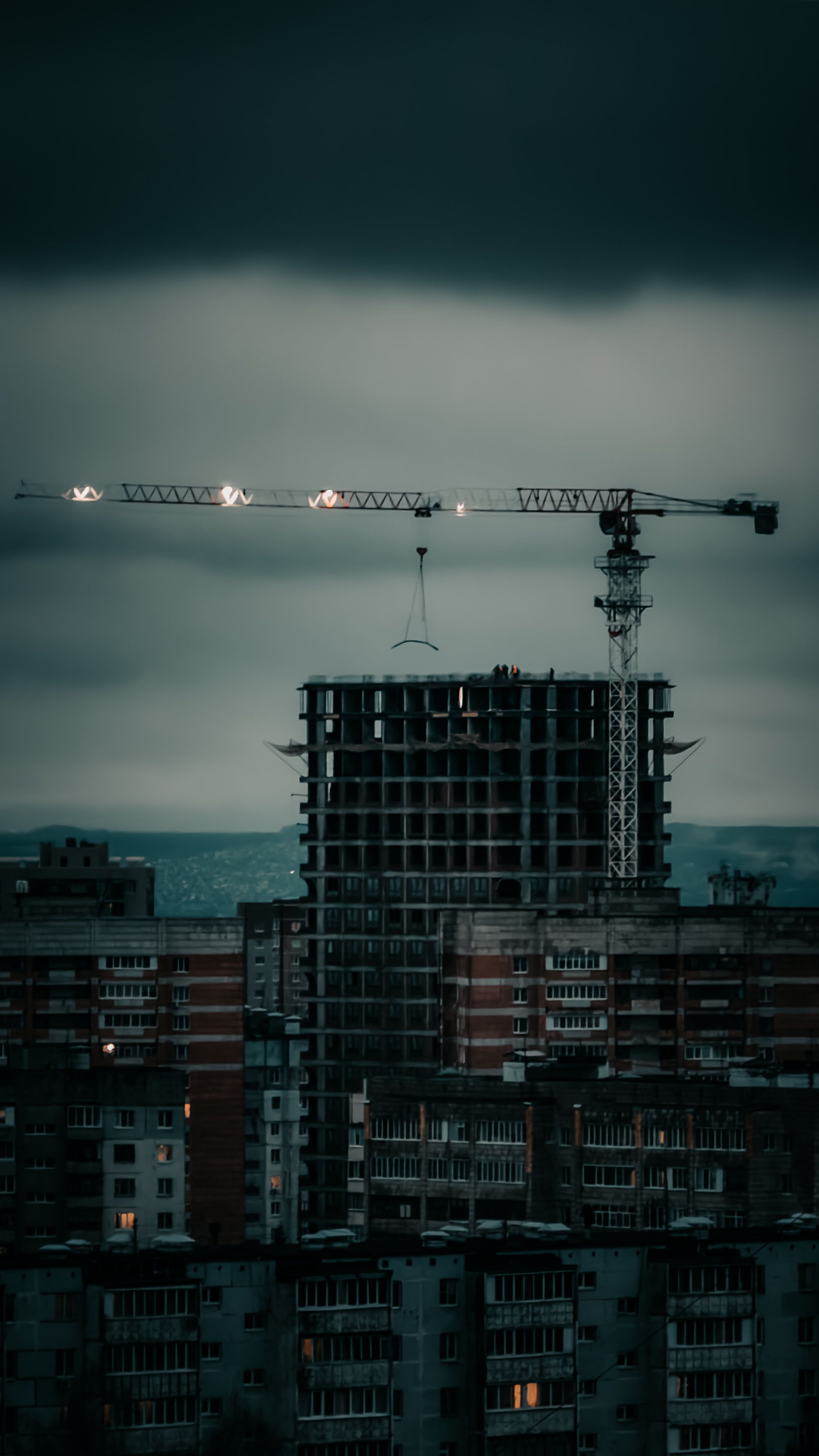
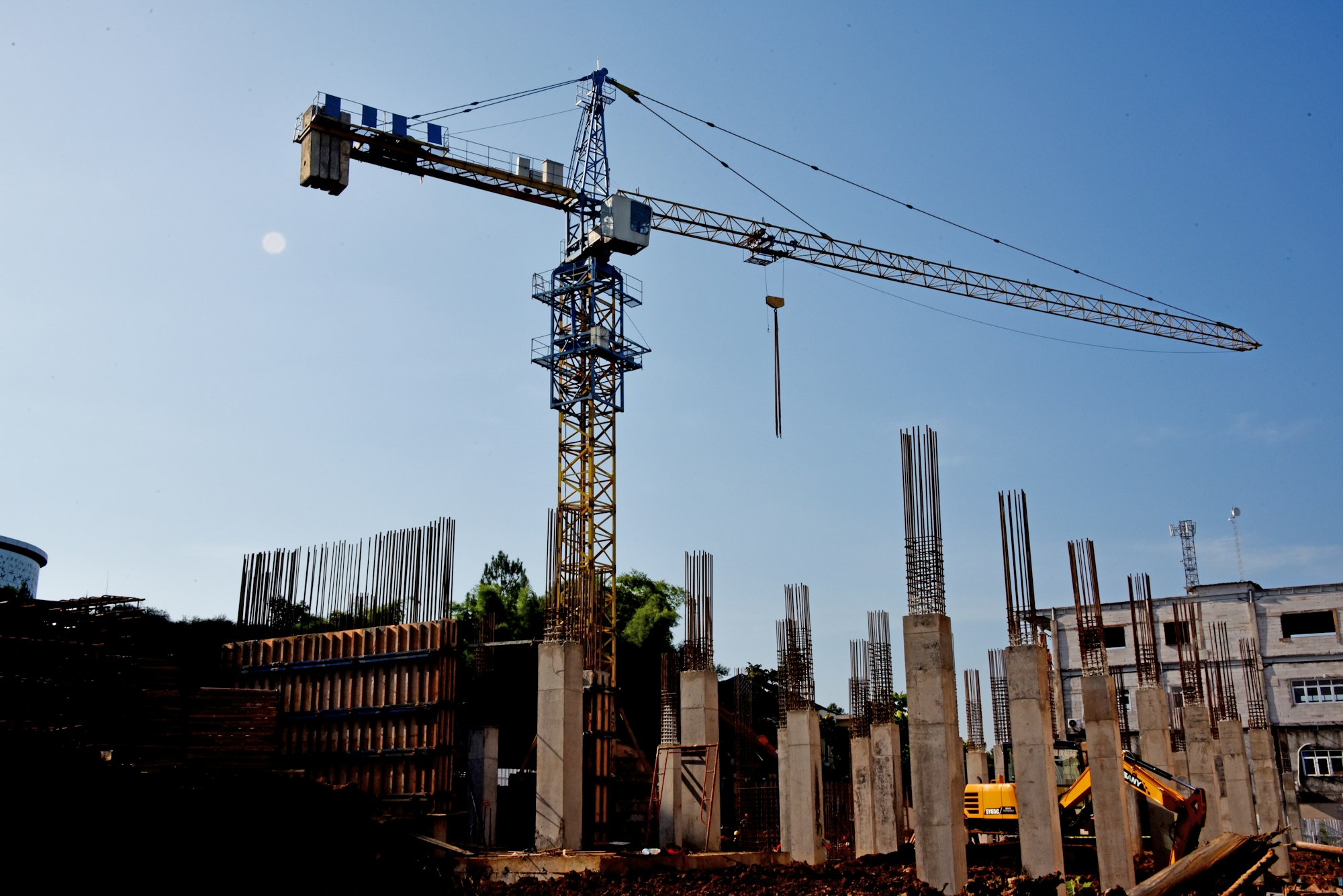
Eye-level and truck-driver viewpoints show what an overhead camera hides. They let the audience see blind corners, tight turns, pedestrian crossings, and the experience of a neighbor walking past the site. These shots are often the ones that persuade a skeptical owner or city reviewer, because they show the team has considered the site from the perspective of people who will be affected by it. Where possible, base these shots on the actual street geometry and sight lines, including signage and overhead utilities. A superintendent will notice immediately if a gate looks wider than it is, and an animation that matches the field earns the team credibility.
Hold the Camera Still More Often Than You Think
Constant motion is tiring and makes details hard to catch. A fixed camera that watches a lift happen from start to finish lets the viewer concentrate on the sequence. Moving shots work best when they connect two locations, such as following a delivery truck from the gate to the laydown area. Slow, deliberate moves also give a presenter time to narrate in a live setting.
Label What Matters and Remove What Does Not
On-screen labels for phases, dates, and equipment help the audience track what they are seeing. Keep them short and consistent. Remove detail that does not support the question being answered, such as background traffic, landscaping, or trim, so the eye goes to the logistics elements. PRESWERX builds construction logistics animations for A/E/C teams, and the most useful ones tend to be the ones with the least visual clutter.
Review the Cut With the Field Team
Before the animation goes into a proposal or presentation, run it past the superintendent and project manager. They will spot angles that mislead, such as a camera height that makes a street look wider than it is, and sequencing that would not work in practice. A short review at this stage costs little and prevents an animation from contradicting what the team says in the room.
The Bottom Line
Camera work decides whether a logistics animation communicates. Matching each shot to a question, mixing overhead and ground-level views, and keeping motion purposeful turns a technical model into something an owner can follow and trust. The result is a clearer plan and a more persuasive pursuit. It also leaves the project team with a shared reference they can return to during pre-construction meetings, when questions about gates, hoisting, and deliveries inevitably come up again.