Animating Crane and Hoist Sequencing for Owners Who Do Not Read Logistics Plans

A logistics plan is a drawing set with arrows, and most owners will not study it. They sign off on schedule and budget, but the sequence of cranes, deliveries, and temporary works is where a project is won or lost. A construction logistics animation turns that sequence into something an owner can watch in ninety seconds, which is often the only attention it will receive.
Start With the Constraint That Drives Everything
Every site has one constraint that shapes the rest. It might be a single access road, a live adjacent building, or a crane that can only be placed in one spot. The animation should open on that constraint so the viewer understands why the plan looks the way it does before seeing how the team works around it.
Show the Crane as a Time Resource
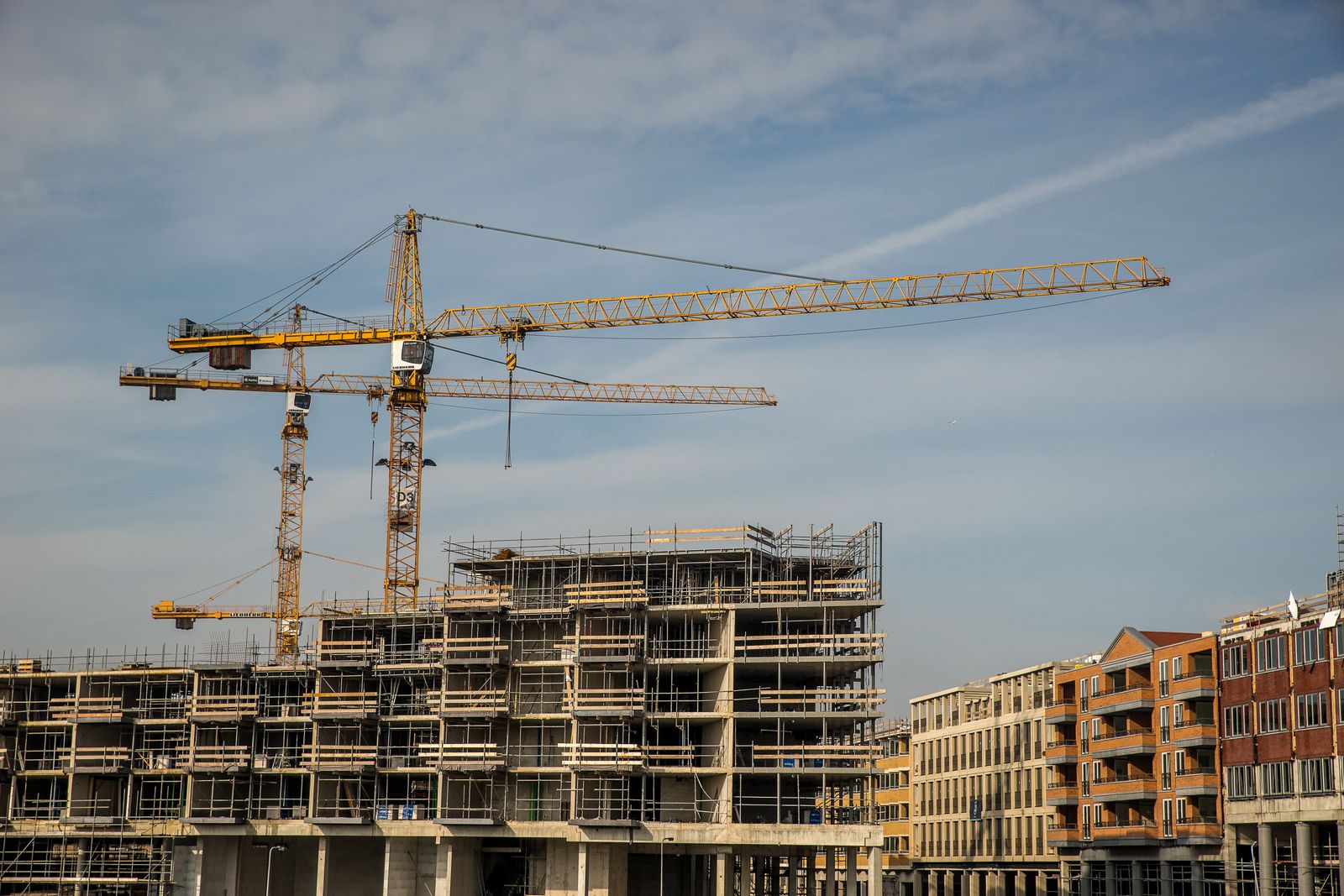
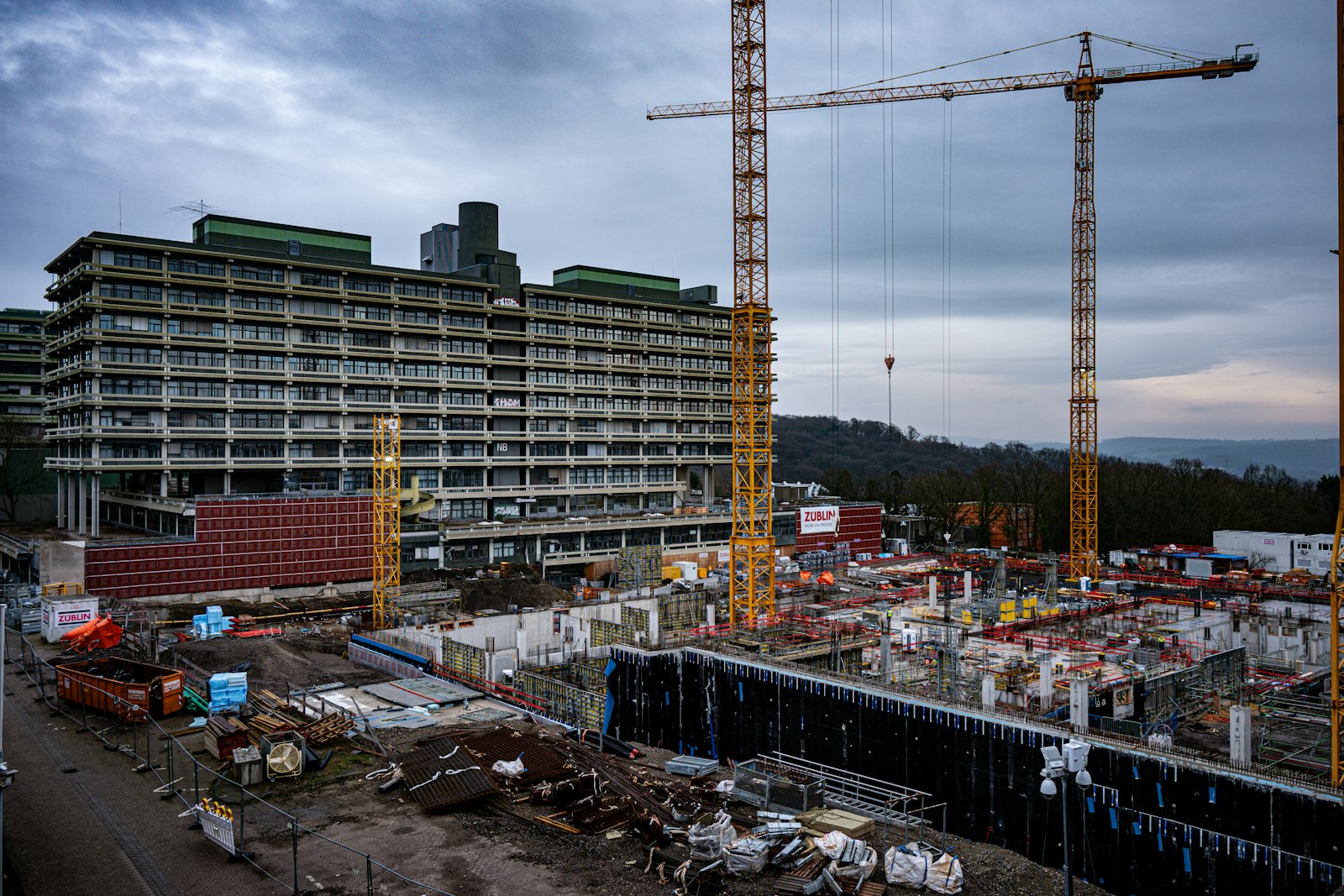
Crane time is one of the most limited resources on a vertical project. An animation that shows picks by day, with the hook moving from laydown to floor, makes visible what a Gantt bar cannot, which is that the crane is shared. Owners who see competing trades queuing for the same hoist understand the value of a sequencing plan.
Make Deliveries Visible
Truck routes, staging areas, and delivery windows are easy to describe and hard to picture. When a flatbed enters the site at 6 a.m., stops at a designated gate, and leaves before the school bus route begins, the neighbors and the owner both see that traffic has been planned.
Keep the Level of Detail Honest
An animation that looks like a marketing film loses credibility with experienced reviewers. Accurate crane radii, real access widths, and the actual building geometry matter more than camera moves. The goal is to let a superintendent watch it and say yes, that is how we would build it.
Use It as a Coordination Tool, Not Only a Pursuit Asset
The same animation that wins an interview can run in a trade partner meeting. When subcontractors see their work placed in sequence, conflicts surface early. Many teams find that the animation sparks more useful questions in a pre-mobilization meeting than any printed plan.
Plan for Revisions
Sites change, and so do sequences. Building the animation from a model that can be updated, with phases separated, means a revised crane position or a shifted delivery window can be reflected without starting over.
Choose the Right Camera for the Job
Fly-over views are good for orienting a viewer, but the most persuasive shots are often from ground level, where a viewer sees a truck turn into a gate or a hoist rise past a protected sidewalk. Mixing a few well-chosen angles keeps the film short while showing the specific places where the plan could fail.
Decide Who Needs to See It and When
An owner needs a short version, a superintendent needs the full sequence, and trade partners need their own phase. Planning those cuts from the start costs little and means the same model serves the pursuit, the preconstruction meeting, and the first month of mobilization. The animation then keeps paying back long after the interview is over.
Test the Animation Against Real Site Conditions
Before it is shown to an owner, the animation should be reviewed by the superintendent who will run the job. Small inaccuracies, such as a crane that swings through a power line or a truck that cannot make a turn, destroy credibility quickly. A short review pass with field staff catches these, and it also gives the field team a stake in the plan they will later be asked to follow.
The Bottom Line
A logistics animation earns its cost by making one thing clear to people who do not read plans: the team has thought about how the building actually gets built. Used well, it shortens interviews, improves coordination, and gives owners a reason to trust the sequence.